Your options
Nitrogen-reducing (ENR) septic systems: the three approved types
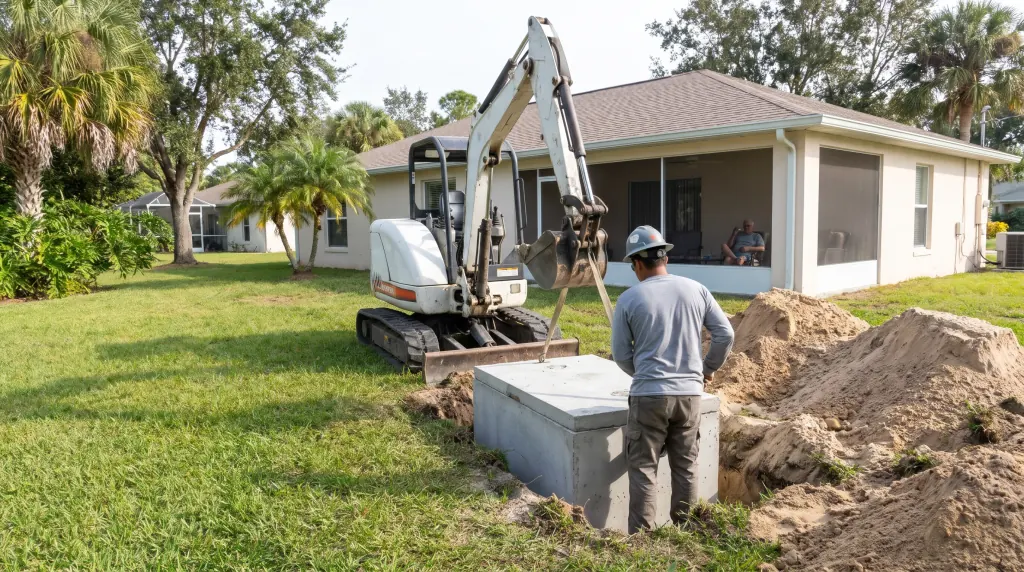
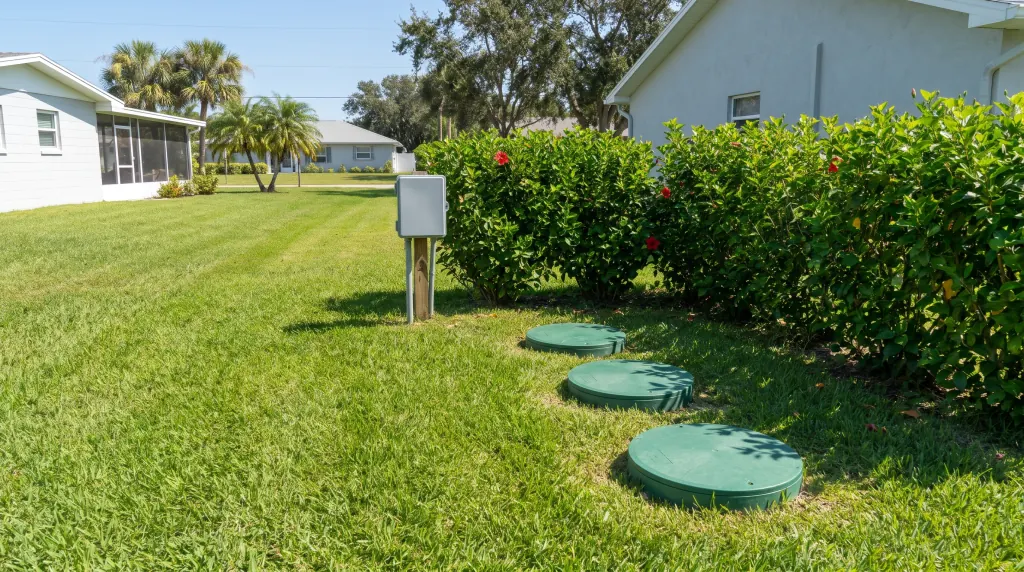
Florida's DEP approves three kinds of enhanced nutrient-reducing septic systems for the Indian River Lagoon rule: in-ground nitrogen-reducing biofilters (INRB), NSF/ANSI 245 aerobic treatment units, and nitrogen-reducing performance-based systems. Not every aerobic unit qualifies; it must be certified to remove nitrogen. Each needs ongoing maintenance, so compare service contracts, not only the install price.
What ENR means
The statute defines an enhanced nutrient-reducing system as one FDEP approves as removing at least 50% of total nitrogen before the drainfield, or at least 65% combined across the tank and drainfield. A standard septic system is not built to do that.
What changes in the ground
A standard septic system next to an ENR system
Standard septicTank, then drainfield
Nitrogen-removal stageNone
Not built to meet the 65% standard. Nitrogen left in the water goes on into the ground.
Allowed until July 1, 2030 for existing homes on 10 acres or less in the program area, unless a local sewer rule comes first.
ENR septicAdds a nitrogen-removal stage
Nitrogen removedAt least 65%
In-ground biofilter. The drainfield sits over layers of special media that remove nitrogen as the water soaks down. Few or no moving parts; needs more room.
NSF 245 aerobic unit. A treatment tank with a pump or blower that adds oxygen, certified to the NSF/ANSI 245 nitrogen standard. Runs on electricity and needs regular service.
Performance-based system. Engineered for one site to hit the nitrogen target, where a standard layout does not fit.
The law's test: FDEP must approve the system as removing at least 50% of total nitrogen before the drainfield, or at least 65% across the tank and drainfield together. Dots show 13 of every 20 caught, the 65% minimum.
The three types
1
In-ground nitrogen-reducing biofilter (INRB)
A passive system: the drainfield is built over layers of special media that remove nitrogen as the water soaks down. Few or no moving parts. Usually needs more room on the lot.
2
NSF 245 aerobic treatment unit
A treatment tank with a pump or air blower that adds oxygen, certified to the NSF/ANSI 245 nitrogen standard. Runs on electricity and needs regular service.
3
Nitrogen-reducing performance-based treatment system (PBTS)
A system engineered for a specific site to hit the nitrogen target. Useful where a standard layout does not fit.
Questions to ask before you sign
- Is this model on FDEP's approved list, and does it meet the ENR standard for my plan area?
- Does it need an operating permit, a maintenance contract or service visits, and what does that cost each year?
- Does it need electricity, and what happens in a power outage?
- How much yard does it take, and will it fit around my trees, pool or driveway?
- Will the county grant cover it, and will you accept payment from the county directly?
- Who pulls the permit, and how long until the system is approved and in service?
Does this apply to your home?
The free address check answers in about ten seconds: inside the program area or not, septic or sewer on record, lot size and, in Brevard, a grant estimate.
Compare quotes on the same terms
Ask each contractor for the system type and model, the permit and design fees, removal or abandonment of the old tank, restoring the yard, the first year of service, and the warranty. A lower price that leaves out the permit or the service contract is not lower. See costs, grants and financing.
Your address, your answer
Find out what the 2030 rule means for your home
Type your address to see if it is inside the program area, whether state records show septic or sewer, your lot size and, in Brevard, an estimate of the county grant. Free, about ten seconds.
Sources
The laws, agency documents and reports this page relies on. Rules and grant amounts change; confirm with your county before you sign anything.
- Permitting enhanced nutrient-reducing onsite sewage treatment and disposal systems, Florida Department of Environmental Protection
- s. 373.469(2)(b), Florida Statutes (ENR definition), Florida Senate
- Frequently asked questions: HB 1379 requirements for ENR systems (December 2023), Florida Department of Environmental Protection
Related
What a septic system replacement costs near the lagoon
What replacing a septic system costs inside Florida's Indian River Lagoon area: the ENR price Brevard records, permit fees, the grant, and a worked example.
Septic tank pumping and the 2030 rule
How often to pump a septic tank in Florida, what pumping costs, who may pump it, and five questions to ask the pumper about the 2030 Indian River Lagoon rule.
ENR upgrade or sewer connection?
Under the 2030 lagoon rule you connect if sewer is available and upgrade to ENR if not. How to tell which applies, side-by-side costs, and when to wait.
Brevard County septic grant and sewer connection grant
Brevard's Save Our Indian River Lagoon pays $6,000 to $20,000 to upgrade a septic system and up to $24,000 to connect to sewer. Who qualifies and how to apply.